What Sets Fotona Laser Treatments Apart in Skin Rejuvenation
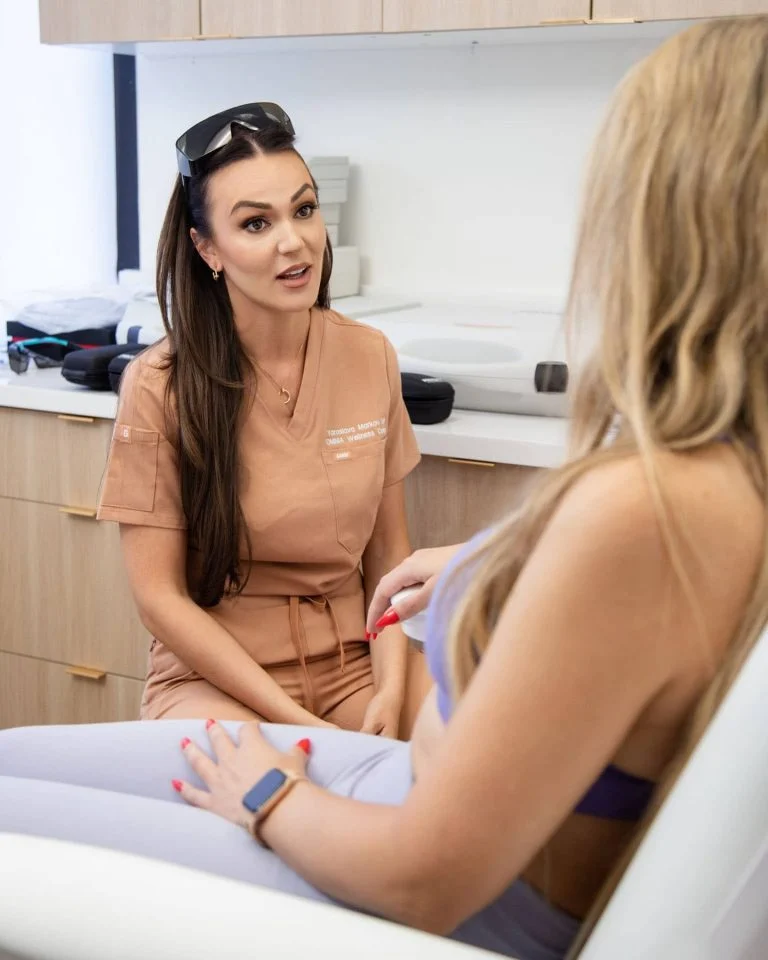
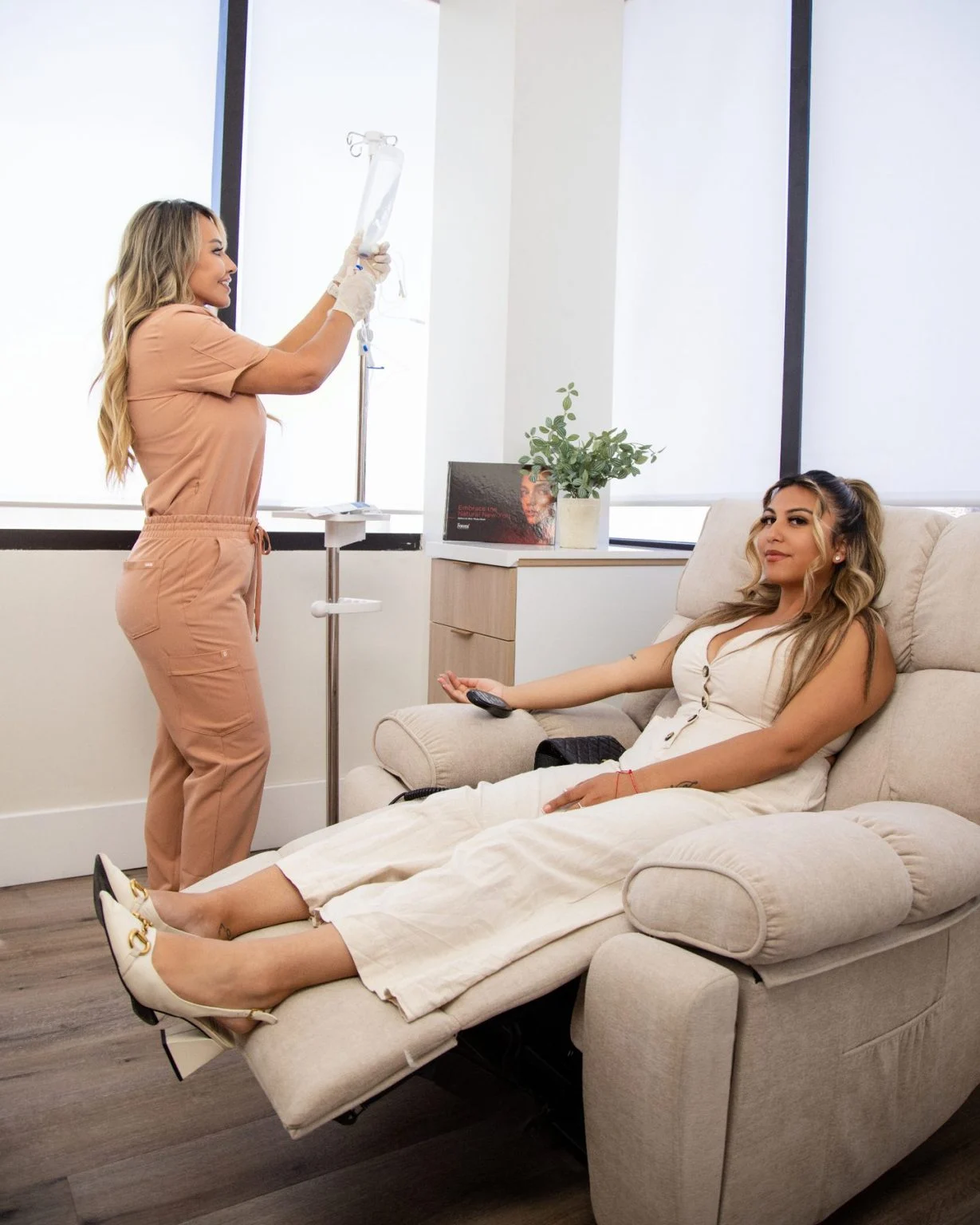
Skin rejuvenation is crowded territory. Patients comparing options often hear the same promises in slightly different language: better texture, fewer lines, brighter tone, less downtime. The real differences usually show up in the treatment room, not the brochure. That is where device versatility, tissue interaction, operator judgment, and recovery patterns matter. Fotona Laser Treatments stand out because they are not built around a single narrow use case. They are designed as a platform, and in experienced hands that flexibility changes outcomes.
That distinction matters for patients who do not fit the tidy before-and-after examples. A person may have early laxity around the jawline, acne scarring on the cheeks, redness around the nose, and a schedule that allows only a weekend of visible recovery. Another may want measurable tightening but has deeper skin tone and is wary of the pigment risks associated with more aggressive resurfacing. A treatment system that offers only one mode can force the clinician into compromise. A system that allows different wavelengths, pulse durations, and treatment approaches makes tailoring possible.
Fotona has earned attention in aesthetic dermatology and medical spas for exactly that reason. Rather than relying on one laser-tissue interaction, it combines several. Most commonly, practitioners are working with Er:YAG and Nd:YAG wavelengths, each useful in different layers and for different goals. That technical point sounds abstract until you see how it translates to practice. One treatment can gently polish the skin surface, another can heat deeper tissue for collagen remodeling, and another can target vascular components or acne-related issues, all without making the patient commit to the same kind of downtime every time.
The value of a multi-layer approach
Many rejuvenation treatments do one thing well. A superficial peel can brighten and smooth, but it will not do much for meaningful laxity. A deep resurfacing treatment can improve etched lines and texture, but recovery can be significant and not every patient is willing to accept it. Radiofrequency devices may help tissue tightening but generally do less for pigment irregularity or textural roughness at the surface.
Fotona Laser Treatments are different because they can address more than one layer of the skin in a coordinated way. The Er:YAG wavelength is highly absorbed by water, which makes it effective for precise ablation and superficial to mid-level resurfacing. In plain terms, it can remove damaged surface layers with control. The Nd:YAG wavelength penetrates more deeply and is often used in non-ablative settings to heat tissue, stimulate remodeling, and improve firmness over time.
That combination gives clinicians options that feel much more nuanced than a simple yes-or-no answer to resurfacing. Someone with fine crinkling under the eyes may benefit from a light erbium polish around that area. Someone with softening along the lower face may do better with a deeper thermal approach that leaves the top layer largely intact. Someone with both concerns may need a staged plan. The ability to move between superficial and deeper strategies, sometimes in the same visit, is part of what sets Fotona apart.
In practice, this often means fewer blunt compromises. Instead of choosing one treatment that is too mild in one respect and too aggressive in another, clinicians can adjust to the anatomy and the patient’s tolerance for downtime. That flexibility is not just convenient, it is clinically meaningful.
Precision is not a marketing word when recovery is on the line
A lot of aesthetic technology is described as precise. In reality, precision only matters https://garrettzara559.rivetgarden.com/posts/fotona-laser-treatments-vs-traditional-laser-procedures if it changes risk, comfort, or results. With laser rejuvenation, control over depth and thermal effect has direct consequences. Go too superficial and the patient sees little beyond temporary glow. Go too deep or too hot without the right indication and settings, and recovery lengthens, inflammation increases, and complications become more likely.
Fotona systems are widely respected for how much control they give the operator over pulse modes and treatment parameters. That does not eliminate the need for skill, but it allows skilled practitioners to be genuinely selective. One patient may need a feather-light treatment before a public event. Another may prefer a stronger session because they have a week available to recover. One may scar easily, flush easily, or develop post-inflammatory pigmentation after even mild injury. Those details matter, and a laser platform that accommodates them is useful in a way that is difficult to appreciate until you have seen how varied real patients are.
This precision becomes especially valuable around delicate areas. Perioral lines, lower eyelids, and the sides of the nose can respond beautifully to resurfacing, but these are not forgiving zones. A system that can deliver controlled energy in these areas without forcing a one-size-fits-all intensity gives better odds of balancing improvement and recovery.
The appeal of “inside-out” tightening
One of the more distinctive aspects associated with Fotona is the use of intraoral treatment approaches for facial tightening, often discussed under branded protocols like Smooth or 4D-style combinations. The concept catches attention because it sounds unusual, but the rationale is straightforward. Some laxity and soft tissue descent are hard to influence only from the outside. By delivering controlled thermal energy from the inside of the mouth to the cheek area, clinicians can stimulate remodeling in tissues that are otherwise awkward to target.
Patients often understand the benefit once they compare it to external-only options. Early jowling, deepening nasolabial folds, and loss of midface support are not purely surface problems. Surface polishing may make the skin look fresher, but it does not always create the subtle lift patients are hoping for. An inside-out component can add support where external treatment alone might underperform.
This is one reason Fotona Laser Treatments attract patients who are not ready for injectables everywhere and are not considering surgery. The results are not equivalent to a facelift, and responsible practitioners should say that clearly, but there can be noticeable refinement in facial contour and skin quality when the treatment plan is built thoughtfully.
Why downtime is often more manageable than expected
Downtime drives decision-making more than almost any other factor. Patients may tolerate a series of appointments if they can return to work quickly. They may also accept a stronger treatment if they know exactly what the healing curve looks like. One of Fotona’s practical strengths is that it can serve both ends of that spectrum.
At the lighter end, non-ablative or very gentle resurfacing settings can leave skin pink, warm, and slightly rough for a short period, sometimes more like a moderate sun exposure than a dramatic peel. At the stronger end, ablative Er:YAG treatments can create more visible recovery, including redness, peeling, and a social downtime period that may last several days to more than a week, depending on intensity and treatment area.
What matters is not that recovery is universally easy. It is that the treatment can be matched to real life. A teacher planning sessions during school breaks, a bride wanting a low-risk brightening treatment a month before an event, and a man treating long-standing acne scars during a quieter work period may all be candidates for the same platform, just not the same protocol.
That practical flexibility is easy to undervalue until someone has tried to force an unsuitable treatment into a busy schedule. In clinic, this is where a lot of patient satisfaction is either preserved or lost.
Texture, pores, and acne scars, where erbium often shines
When patients ask what makes a rejuvenation treatment worth the effort, they are often talking about texture. Fine lines matter, but a smoother, more even surface tends to be what people notice in ordinary daylight. Er:YAG technology has long been respected for this reason. Because it is strongly absorbed by water, it can remove or remodel superficial tissue with comparatively limited collateral thermal spread, especially when used in appropriate modes.
That characteristic can be useful for patients with roughness, enlarged pores, superficial acne scarring, and etched lines around the mouth or eyes. In some cases, a fractional approach may be chosen to leave intervening skin intact and speed healing. In others, a more uniform pass may be appropriate for diffuse resurfacing. The point is not that one method fits all, but that the technology supports a range of strategies.
A patient with early textural change in their thirties may only need a light series to refresh the skin. A patient in their fifties with cumulative sun damage and deeper lines may benefit from a more assertive treatment plan. I have seen the difference this makes in patients who had previously tried broad “laser facials” elsewhere and were underwhelmed. Often the issue was not that lasers do not work. It was that the prior treatment was too generic, too superficial, or not designed around the problem they actually had.
Skin tightening without surgery, but with honest expectations
Non-surgical tightening sits in a difficult category because patients are often shown best-case examples. Some devices produce modest change that looks better in profile than it feels in daily life. Others can give a more convincing result, but only in the right patient. Fotona’s deeper thermal modes tend to perform best in mild to moderate laxity, especially when skin quality and collagen reserve are still reasonably good.
A patient in their early forties with soft lower-face looseness and relatively good skin tone may see a worthwhile improvement. A patient in their sixties with heavier tissue descent and pronounced neck laxity may see some refinement but should not be led to expect a surgical-level shift. This is where experienced assessment matters more than brand recognition.
The best outcomes usually come from patients who want progressive improvement rather than instant transformation. Collagen remodeling takes time. Results often build over weeks and months, and a series may be more effective than a single session. That pace can actually be an advantage for patients who prefer subtle change, but it needs to be framed correctly from the beginning.
A better fit for combination treatment plans
One of the understated strengths of Fotona Laser Treatments is how well they fit into broader aesthetic planning. Skin aging is mixed in nature. There may be pigment, vascularity, laxity, volume loss, scarring, and dynamic wrinkling all at once. No laser solves every part of that. The useful question is whether it plays well with other tools, and Fotona generally does.
A clinician may use laser therapy to improve texture and firmness, then add neuromodulators for dynamic forehead lines or fillers selectively for structural support. In acne care, laser may complement topical retinoids, hormonal management, or scar-specific techniques. In rosacea-prone skin, treatment settings need extra care, but there are situations where vascular and textural goals can still be approached intelligently.
This matters because mature aesthetic care is rarely about the hero device. It is about sequencing. If the platform helps the practitioner build an individualized plan rather than forcing every concern into one modality, patients usually get better long-term value.
Where operator skill matters most
It is tempting to evaluate a treatment by device reputation alone, but lasers are unusually dependent on the person using them. The same platform can produce elegant results in one practice and disappointing or risky outcomes in another. Fotona, because of its range, rewards judgment and punishes formulaic treatment.
A good practitioner looks at several things before setting parameters: skin type, degree of sun damage, history of melasma or pigmentation problems, tendency to scar, recent isotretinoin use, active acne, herpes simplex history, expectations for downtime, and whether the patient can follow aftercare carefully. They also examine whether the main issue is true laxity, surface damage, or volume loss masquerading as laxity. Those distinctions change everything.
This is also where consultation quality separates practices. If the clinician spends five minutes and offers the same protocol to every face, that is a warning sign. If they explain what each phase of treatment is targeting, what is likely to improve first, what may need multiple sessions, and what the limits are, that is a better sign. The versatility of Fotona is an advantage only when it is used thoughtfully.
Safety across different skin presentations
Safety is one of the most important reasons patients and clinicians pay attention to wavelength choice and treatment depth. Darker skin tones, inflammatory conditions, and pigment-prone skin all require extra respect. Aggressive resurfacing can be transformative in the right candidate, but it can also trigger prolonged redness or pigment problems if chosen carelessly.
Fotona’s range of treatment modes allows some patients to pursue rejuvenation even when they would not be ideal candidates for aggressive fully ablative resurfacing. That does not mean risk disappears. It means there are more ways to scale treatment intensity. For a patient with medium to deeper skin tone, this can be the difference between having an option and being told to avoid laser altogether. Careful parameter selection, pre-treatment skin preparation in some cases, strict sun avoidance, and disciplined aftercare remain essential.
The honest version is that not every protocol suits every skin type. The advantage lies in adaptability, not universality.
What patients often notice first
The first visible change is not always the one they came in for. Patients seeking tightening often comment first on smoother texture and a healthier light reflection from the skin. Those treating acne scars may notice a more even tone before the scar edges soften. Someone focused on the jawline may find makeup sits better and pores look less obvious.
That pattern is worth discussing upfront because it affects satisfaction. If a patient expects dramatic lift after one session, they may miss several meaningful improvements already happening. The skin can look cleaner, denser, and more rested before larger structural changes become obvious. With the right framing, that progression feels encouraging rather than confusing.
Practical questions worth asking before booking
A productive consultation should answer a few direct questions. Patients do not need a lecture on laser physics, but they do need enough clarity to compare treatments intelligently.
- Which concern is this protocol targeting most directly, texture, pigment, laxity, scars, or redness?
- Is the treatment ablative, non-ablative, or combined, and what does that mean for recovery?
- How many sessions are typical for my concern, and when are results usually noticeable?
- What are the realistic risks for my skin type, especially redness, breakouts, cold sore activation, or pigmentation changes?
- What should I avoid before and after treatment to reduce complications?
If a practice cannot answer those questions clearly, it is difficult to trust the treatment plan, regardless of the brand name on the machine.
The trade-offs that deserve plain language
Every rejuvenation method involves trade-offs. Fotona is no exception. Greater improvement in texture usually means more recovery. Deeper tightening tends to be gradual rather than immediate. A broad platform can be a major advantage, but it also means the patient experience depends heavily on protocol design. Even cost can cut both ways. A highly customized plan may provide better value over time, but it can look more expensive upfront than a generic facial laser package.
There is also the issue of expectations set by social media. Filters, lighting, and selective before-and-after timing can distort what is achievable. The best practitioners using Fotona Laser Treatments usually underpromise in the consultation and rely on cumulative visible improvement to make the case. That approach may sound less glamorous, but it tends to produce the happiest long-term patients.
Why Fotona remains distinct in a crowded field
What separates Fotona is not a single dramatic feature. It is the combination of precision, versatility, and the ability to treat both superficial and deeper aspects of aging and skin damage in a way that can be tailored to the person rather than forced into a template. For clinicians, that means room for judgment. For patients, it often means more realistic choices between refreshment, resurfacing, and tightening.
That distinction becomes especially important when someone’s concerns do not fit neatly into one category. Real skin rarely does. It carries sun history, genetics, acne memory, hormonal shifts, expressive movement, and time. A platform that can respond to that complexity, while preserving control over downtime and safety, has a genuine edge.
For patients considering laser rejuvenation, the takeaway is simple. Do not ask only whether Fotona is good. Ask whether the specific protocol being proposed matches your skin, your priorities, your calendar, and your tolerance for recovery. When those pieces align, Fotona can deliver results that feel less like a temporary cosmetic fix and more like a meaningful reset in skin quality.
OMNIA Wellness Center
Address: 16430 Ventura Blvd Ste 207, Encino, CA 91436
Phone number: +18183868511
FAQ About Fotona Laser Treatments
What is a Fotona laser good for?
A Fotona Laser system is a versatile, dual-wavelength medical laser used primarily for non-surgical skin tightening, anti-aging rejuvenation, and dermatological treatments.
How much does the Fotona laser cost?
The cost of a Fotona laser depends heavily on whether you are looking to purchase a laser machine for a medical practice or are a patient seeking a laser treatment at a medspa.
Is a Fotona laser worth it?
A Fotona laser treatment is generally worth it if you want non-surgical skin tightening, improved texture, and collagen stimulation with very little downtime.